In short. Steroid cream may be enough when the narrowing of the foreskin is recent, linked to inflammation or to lichen sclerosus treated early, and the tissue is still elastic. Surgery should be considered when, after an appropriate course of treatment supervised by a doctor, the foreskin still does not slide back, keeps splitting or hurts during erection, or when the scar has become stable. The choice depends on the cause: that is why the first step is to understand why the foreskin has become tight.
Key points
- In adults it matters to distinguish phimosis present since adolescence from a narrowing that appears after years of normal retraction.
- Topical steroids are often the first choice and are the reference treatment for lichen sclerosus; however, the best studies on phimosis are in children.
- An inflamed, fissured or sclerotic foreskin should not be stretched: the tears heal with new scars.
- Preputioplasty preserves the foreskin and suits selected patients; in lichen sclerosus that does not respond to treatment, guidelines recommend complete circumcision.
- Circumcision does not guarantee that lichen heals at every site: the glans, meatus and urethra need follow-up over time.
- Foreskin stuck behind the glans, difficulty passing urine, ulcers or lumps that do not heal: get checked without waiting.
What phimosis is and how it differs from a short frenulum
The foreskin is the fold of skin and mucosa that covers the glans. At its tip it forms a ring that normally widens enough to uncover the glans, at rest and during erection. Under the glans, the frenulum is the small band that connects the foreskin to the underside of the glans.
We speak of phimosis when the foreskin ring is too tight to uncover the glans, completely or only during erection. In boys it is often physiological and resolves with growth; in adults it does not, and its cause needs to be understood.
A short frenulum is something else: the foreskin widens, but the band is too short and pulls the glans downwards during retraction or erection, sometimes tearing during intercourse. The symptoms are similar (discomfort, pain, slight bleeding), the treatment is not: an isolated short frenulum is treated with frenuloplasty, without removing the foreskin. The two conditions can, however, coexist, and a short frenulum can come with scarring of the foreskin.

Why it develops in adults
The first question I ask at the consultation is simple: has the foreskin always pulled back properly?
Phimosis present since adolescence
If the glans has never been fully uncovered, or only with discomfort, it is often a ring that stayed tight after puberty. The tissue may be healthy and elastic: this is the situation in which conservative solutions have the most room.
An acquired narrowing
If instead the foreskin used to pull back normally and at some point started to tighten, there is almost always a cause to look for:
- Recurrent inflammation of the glans and foreskin (balanoposthitis), which can lead to fissures and scarring. Diabetes makes these episodes more frequent.
- Small fissures, often during intercourse, which can leave a scar ring as they heal.
- Lichen sclerosus, a chronic inflammatory disease of the genital skin that makes it whitish, thin and less elastic. In adults it is one of the main causes of acquired phimosis. Recognising it matters because it changes the treatment, the choice of any operation and the follow-up over time.
How the assessment works
The decision comes from the consultation. The factors that really change it are few and concrete:
- since when: a problem that has always been there or one that appeared recently;
- how the foreskin moves at rest and during erection;
- what the tissue looks like: fissures, scars, whitish, thickened or stiff areas;
- treatments already tried: which cream, for how long, with what result;
- urinary symptoms: a thin or deviated stream, a foreskin that balloons when passing urine, burning;
- the frenulum: whether it is short or has already torn.
Tests are targeted, not the same package for everyone: blood glucose for acquired narrowing or recurrent inflammation, a urine test or a swab if there is an infection, a urological assessment if the stream has changed. A biopsy is not routine (I discuss it in the section on lichen).
Steroids: what they can do, limits and follow-up
Steroid ointment or cream reduces inflammation and can restore elasticity to the skin of the foreskin. In a recent, inflammatory narrowing, this may be enough for the foreskin to slide back again without surgery.
Whether and when to add gentle mobilisation is decided by the doctor, after examining the tissue. An inflamed, fissured or sclerotic foreskin should not be stretched: there is no evidence that stretching cures phimosis, and micro-tears heal with new scars that can make the narrowing worse.
In my experience, the response depends mainly on the cause. A recent narrowing linked to inflammation often responds well. A thick, fibrous scar ring that has been there for years rarely widens with a cream.
How to tell whether the treatment is working
It is not enough for "the skin to feel softer". At follow-up I check specific goals:
- the foreskin retracts more easily, without pain and without new fissures;
- the inflammation has settled;
- symptoms during erection and intercourse have improved;
- the benefit lasts over time, even when treatment is reduced.
If these goals are not reached, or if the narrowing comes back as soon as the cream is stopped, it is time to reconsider the approach. The duration and frequency of application are set by whoever prescribes the treatment.
The special case of lichen sclerosus
When the cause is lichen sclerosus, the most recent guidelines, the European EuroGuiDerm guideline of 2024 and the German guideline published in 2026, agree: the reference initial treatment is a potent or very potent topical steroid, together with emollients. Whitish skin does not mean immediate surgery: in most cases treatment starts with medical therapy.
- Duration. British guidelines recommend an initial course of 1–3 months in men, followed by reassessment. Depending on the response, the decision is to stop, move to maintenance or consider surgery: it is not an automatic continuation that is the same for everyone.
- Safety. A potent steroid used for a long time without supervision can thin the skin, and it is right to know this. But prescribed at the right strength and followed over time, it is the reference treatment for lichen: leaving the disease untreated and letting it scar is generally the greater risk.
- When surgery is needed. If phimosis caused by lichen does not respond adequately to appropriate treatment, both the European and the German guidelines recommend circumcision, preferably with complete removal of the foreskin. Steroid treatment usually accompanies the operation, before and after.
Biopsy and histological examination: two different things
A biopsy is the removal of a small piece of skin before deciding on treatment. It is not always necessary: lichen with a typical appearance can often be recognised at the examination. It becomes important when the diagnosis is uncertain, when there are suspicious lesions or when the disease does not respond to treatment.
Histological examination of the surgical specimen, on the other hand, concerns the foreskin removed during the operation: when lichen is suspected or confirmed it is recommended, because it confirms the diagnosis and rules out precancerous lesions.
Why a dermatologist and a urologist are sometimes needed
Lichen sclerosus does not affect only the foreskin: it can also involve the glans, the meatus (the opening urine comes out of) and the urethra. For this reason circumcision can cure the disease in some men, but it does not automatically resolve every manifestation of it. A urine stream that is thin, deviated or needs straining deserves a specific urological assessment. In complex cases care is shared between surgeon, dermatologist and urologist.
Follow-up is also tailored to the person: more frequent at first or when the disease is active, further apart when it is stable. Genital lichen is associated with an increased, though rare, risk of penile cancer: this is one of the reasons why lesions that do not heal should always be checked.
When to consider surgery
- After an appropriate, supervised course of treatment, the foreskin does not improve, or the narrowing returns as soon as treatment stops.
- Fissures keep recurring during intercourse.
- Inflammation keeps coming back despite treatment.
- The narrowing is caused by a stable, thick, fibrous scar.
- Pain during erection affects your sex life.
- The foreskin gets in the way of passing urine.
When it is better to wait
Surgery is not the first choice with a recent narrowing that has never been treated, acute inflammation in progress (which must be treated first), active lichen not yet treated with medical therapy, or an isolated short frenulum. And when doubts remain, taking time to decide is part of the care.
Preputioplasty and circumcision compared
The main surgical options for a tight foreskin are preputioplasty and circumcision. They are not interchangeable: they suit different situations.

| Preputioplasty | Complete circumcision | |
|---|---|---|
| What it does | Widens the tight point with incisions and stitches (for example Y-V plasty or multiple incisions) | Removes the foreskin |
| What changes | Preserves the foreskin and its movement | Permanent anatomical change: glans always uncovered, different glans sensitivity |
| Who it suits | Limited narrowing, tissue still elastic, no active lichen, wish to keep the foreskin | Extensive scarring, recurrent inflammation, recurrence after preputioplasty, lichen that does not respond to treatment |
| In lichen sclerosus | Limited role: the diseased tissue that is kept can tighten again | Recommended by guidelines when treatment is not enough; does not guarantee healing of the glans, meatus and urethra |
| Possible revisions | The narrowing can come back; sometimes a revision or a circumcision is needed | Recurrence of phimosis is rare; the scar may need touching up |
Partial removal of the foreskin is not equivalent to complete circumcision. It leaves part of the foreskin: in lichen sclerosus the disease can recur precisely on the remaining tissue, and the cosmetic result during erection is also often unsatisfactory. For this reason British urological societies do not recommend it.
What the numbers say about preputioplasty
One of the most cited studies is by Munro and colleagues: 89 men treated with Y-V preputioplasty and followed for a median of 4 years. In 80 no further treatment was needed; 7 needed a surgical revision and 2 reported persistent symptoms. It is a good result, but it must be read with its limits: the study is retrospective, with no comparison group, and only 30 patients answered the satisfaction questionnaire. "No further treatment", healing and satisfaction are not the same thing; and the figure refers to one technique and a selected population, not to all preputioplasties.
Other case series report few complications, but they are small and hard to compare with one another. For this reason, before choosing, I always discuss both the possibility of keeping the foreskin and the possibility of a revision.
If there is also a short frenulum, it can be corrected at the same time with a frenuloplasty, when indicated.
Recovery, risks and sex life
Both operations have concrete benefits, above all an end to pain and fissures during intercourse, but also limits and risks to know about beforehand:
- bleeding and wound infection: for adult circumcision BAUS estimates each at around 1–2%;
- swelling and bruising in the first 1–2 weeks, which are expected;
- healing problems, a tight scar or an unsatisfactory cosmetic result, which sometimes need a touch-up;
- changes in sensitivity: after circumcision the sensitivity of the glans changes permanently, generally without major consequences for sex life;
- after preputioplasty, the possibility that the narrowing comes back.
For circumcision, the UK National Health Service advises, on average: about a week off work, no sport, cycling or strenuous activity for at least 2 weeks, no intercourse or masturbation for at least 4 weeks or until the wound has fully healed, which usually takes 4–6 weeks. In my practice, patients go back to work the day after circumcision. The tightness of the scar during erection usually eases within a few months. Details on technique and recovery are on the pages about preputioplasty and circumcision.
What to avoid and when to be seen urgently
When to get checked promptly
- Foreskin stuck behind the glans (paraphimosis), with a swollen, painful glans: this is an emergency, go straight to A&E.
- Inability or great difficulty passing urine: urgent assessment.
- Persistent lesions, ulcers, lumps or thickened areas that do not heal: they need to be examined. In most cases they are nothing serious, but they should not be treated indefinitely with creams, which can soften their appearance without clarifying what they are.
- Change in the urine stream, thin or deviated: it deserves a specific assessment.
- Do not force retraction. Small tears heal with scars that tighten even further.
- Do not use a steroid cream for months without supervision, nor a cream you found at home for another problem.
What we know, what is missing
The available evidence does not all carry the same weight: studies in children, surgical case series and guideline recommendations answer different questions.
| Topic | What we know | What is missing |
|---|---|---|
| Steroids in childhood phimosis | They may improve resolution; low certainty of evidence | Whether the results apply to adults |
| Steroids in genital lichen | They are the reference initial treatment | An individual probability of response that applies to everyone |
| Stretching a diseased foreskin | It can cause tears and new scars | Evidence that it cures phimosis |
| Preputioplasty in adults | It can preserve the foreskin in selected patients | Robust comparisons between techniques and generalisable results |
| Circumcision in lichen | It is indicated when phimosis does not respond adequately to treatment | A guarantee that the disease resolves at every site |
Frequently asked questions
Why has my foreskin become tight when it used to pull back normally?
A narrowing that appears after years of normal retraction almost always has a cause: recurrent inflammation, small fissures that scar or lichen sclerosus. It needs to be looked for at the consultation, because the treatment depends on that cause.
Are phimosis and a short frenulum the same thing?
No. In phimosis the foreskin ring is tight; with a short frenulum the foreskin widens, but the small band under the glans is too short and pulls during retraction or erection. The symptoms are similar, the treatments are not. The two conditions can also coexist.
Does steroid cream work in adults too?
It can, especially if the narrowing is recent, linked to inflammation or to lichen sclerosus treated early. However, the best studies are in children: in adults there are no reliable figures on the chance of success, and the response depends largely on the cause.
How long is the cream used for?
This is decided by the doctor who prescribes it, according to the cause. For lichen sclerosus in men, British guidelines recommend an initial course of 1–3 months followed by reassessment: from there the decision is to stop, continue with maintenance or change approach. It is not an automatic continuation that is the same for everyone.
Can phimosis come back after the cream?
Yes. If the cause is still active, the narrowing can return when treatment stops. That is why the result is judged at follow-up, not only at the end of the first course.
Is it always necessary to remove the whole foreskin?
No. If the tissue is elastic and the narrowing limited, preputioplasty can widen the tight point and preserve the foreskin. In lichen sclerosus that does not respond to treatment, however, guidelines recommend complete circumcision: partial removal leaves diseased tissue that can tighten again.
Does circumcision always cure lichen?
Not always. In men, complete circumcision can cure lichen sclerosus confined to the foreskin, but the disease can also involve the glans, meatus and urethra. For this reason follow-up continues after surgery, at a frequency adapted to how the disease evolves.
Does forcing the foreskin back help?
No. On an inflamed, fissured or sclerotic foreskin, stretching can cause small tears that heal with new scars and make the narrowing worse. Whether and when to start gentle mobilisation is decided by the doctor, after examining the tissue.
When can I have sex again after surgery?
Usually after about 4 weeks, and in any case only when the wound has completely healed. The exact timing depends on the technique and on healing, and is confirmed at the post-operative check-up.
«Prima comprendere» ("Understand first")
Many men come to the consultation after months of creams used without a clear goal; others ask for circumcision straight away, convinced it is the only way. Both situations come from the same gap: nobody has explained why the foreskin became tight.
When the cause is clear, the choice becomes simpler and calmer: sometimes well-supervised treatment is enough, sometimes it is better to keep the foreskin, sometimes the safest solution is to remove it. My job is to help you understand which of these is yours, with the evidence we have and without hiding its limits.
Annotated bibliography
-
Systematic review
Moreno G, Ramirez C, Corbalán J, Peñaloza B, Morel Marambio M, Pantoja T – Topical corticosteroids for treating phimosis in boys
Source: Cochrane Database of Systematic Reviews, 2024 – doi:10.1002/14651858.CD008973.pub3
What it covers: 14 randomised trials, 1,459 participants among children and adolescents: topical steroids may increase complete resolution of phimosis compared with placebo, with low certainty of evidence.
Why it matters: It is the most rigorous synthesis on steroid treatment for phimosis, but it does not include adults: it does not allow us to estimate the chance of success in an adult man.
-
European guideline
Kirtschig G, Kinberger M, Kreuter A, et al. – EuroGuiderm guideline on lichen sclerosus: treatment of lichen sclerosus
Source: Journal of the European Academy of Dermatology and Venereology, 2024;38(10):1874–1909 – doi:10.1111/jdv.20083
What it covers: A guideline by 34 experts from 16 countries: potent or very potent topical steroids, together with emollients, are the reference treatment for genital lichen in men and women; in men who do not respond to treatment surgery is recommended, and complete circumcision may cure the disease.
Why it matters: It replaces the 2015 European guideline and is the up-to-date reference for medical treatment and surgical indication in lichen sclerosus.
-
National guideline
Deutsche Dermatologische Gesellschaft and other scientific societies – S3-Leitlinie Lichen sclerosus (AWMF register 013-105), version 1.0
Source: AWMF, June 2025; published in 2026 in the Journal der Deutschen Dermatologischen Gesellschaft (Kirtschig et al.) – AWMF · JDDG
What it covers: In phimosis caused by lichen that does not respond to appropriate treatment it recommends circumcision, preferably with complete removal of the foreskin, with steroids before and after surgery and histological examination of the removed foreskin. It suggests closer follow-up at first and wider intervals when the disease is stable.
Why it matters: It is the most recent guideline and the most detailed on surgical management and follow-up in men.
-
National guideline
Lewis FM, Tatnall FM, Velangi SS, et al. – British Association of Dermatologists guidelines for the management of lichen sclerosus, 2018
Source: British Journal of Dermatology, 2018;178(4):839–853 – doi:10.1111/bjd.16241
What it covers: The British dermatologists' guidelines: a potent topical steroid is the most effective treatment; in men an initial course of 1–3 months is recommended, followed by reassessment.
Why it matters: It gives a concrete reference for the length of the first course and for the fact that continuing is decided at follow-up.
-
Patient information (scientific society)
British Association of Dermatologists – Lichen sclerosus in males: patient information leaflet
Source: BAD, updated September 2022 – BAD (PDF)
What it covers: It explains that potent steroids, used as directed by the dermatologist, are safe in this condition; that circumcision can cure lichen in some men but not all; and that urinary symptoms and lesions that do not respond to treatment need to be assessed.
Why it matters: It helps balance the warning about skin thinning and explains why follow-up continues after surgery.
-
Patient information (scientific society)
British Association of Urological Surgeons – Tight foreskin (phimosis)
Source: BAUS, March 2024 – baus.org.uk
What it covers: In adults phimosis is often linked to lichen sclerosus; stretching a diseased foreskin should be avoided; preputioplasty has a limited role and works poorly in active lichen; partial removal of the foreskin is not recommended; blood glucose should be checked; a short frenulum is treated with frenuloplasty.
Why it matters: It summarises the practical points on which the choice between treatment, preputioplasty and circumcision is based.
-
Patient information (scientific society)
British Association of Urological Surgeons – Circumcision in adults (leaflet A24/077)
Source: BAUS, June 2024 – BAUS (PDF)
What it covers: It lists the risks of adult circumcision and how often they occur: swelling for 7–14 days, infection or bleeding in 1–2% of cases, change in glans sensitivity; intercourse after 4 weeks or once healing is complete.
Why it matters: It gives concrete, verifiable figures on risks and recovery.
-
Patient information (health service)
NHS – Circumcision in men
Source: NHS (United Kingdom), reviewed March 2026 – nhs.uk
What it covers: Medical indications for circumcision in adults, recovery (about a week off work, sport after at least 2 weeks, intercourse after at least 4), healing in 4–6 weeks and expected changes in sensitivity.
Why it matters: It is an up-to-date, clear reference for describing recovery without giving individual instructions.
-
Retrospective study
Munro NP, Khan H, Shaikh NA, Appleyard I, Koenig P – Y-V preputioplasty for adult phimosis: a review of 89 cases
Source: Urology, 2008 – ScienceDirect
What it covers: 89 men treated with Y-V preputioplasty, median follow-up of 4 years: 80 discharged without further treatment, 7 surgical revisions, 2 with persistent symptoms; only 30 returned the satisfaction questionnaire.
Why it matters: It is one of the few case series in adults with long follow-up, but it is retrospective, has no comparison group and concerns a single technique in selected patients.
-
Narrative review
Osmonov D, Hamann C, Eraky A, et al. – Preputioplasty as a surgical alternative in treatment of phimosis
Source: International Journal of Impotence Research, 2022 – Nature
What it covers: It describes six preputioplasty techniques (including triple incision, Y-V and Z-plasty) and the results reported in published case series.
Why it matters: Useful for understanding the techniques; however, the case series are small, varied in techniques and patients and almost never directly compared, so complication rates cannot be generalised.
Further reading:
Medically reviewed by the author · sources checked on
Article written by Dr Giulio Maria Maggi
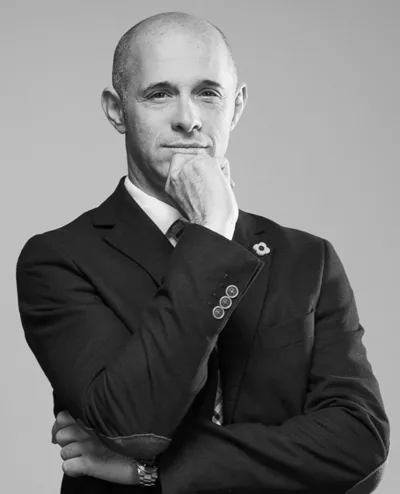
Aesthetic Plastic Surgeon – Turin, Asti and Alessandria
Medical Director – Aesthetic Clinic (Turin)
Turin Medical Council (Ordine dei Medici di Torino) no. 20595
Member of AICPE – Italian Association of Aesthetic Plastic Surgery
Expertise and areas of interest
Dr Maggi trained internationally, completing advanced training with Prof. José Guerrero Santos (Guadalajara) and with Prof. Andrew A. Jacono (New York) in the Deep Plane facelift technique.
He focuses in particular on:
- Deep Plane facelift
- Blepharoplasty
- Functional and aesthetic intimate surgery
- Liposculpture and fat grafting (lipofilling)
- Breast surgery
- Body contouring
Clinical approach
Combines scientific rigour with natural results, applying advanced protocols focused on morphological well-being.